Gardening Services in Seven Kings
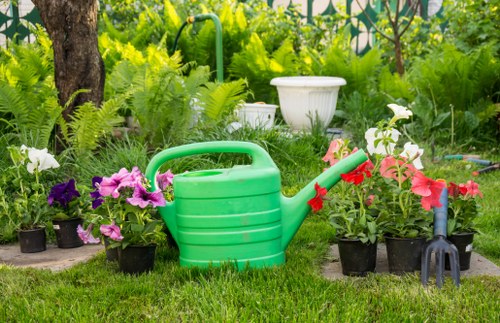
Our gardening services in Seven Kings are designed to keep outdoor spaces tidy, healthy and workable through the seasons. We focus on practical maintenance and careful improvements, from regular mowing and hedge trimming to clearance, planting support and broader garden upkeep. That means you can choose a one-off visit for a specific task or arrange a planned service that keeps the garden under control without turning it into a major project every time.
The work is shaped around the condition of the space and the finish you want. Some gardens need light, regular attention to stay neat; others need a more substantial reset before normal care can begin. We handle the visible labour, the cutting back, the lifting, the green waste and the tidy-up so the outdoor area is left ready for ordinary use. Simple, consistent maintenance often gives the best long-term result, especially where growth has been left for a while.
If you are comparing options, start with the main task that matters most: a cut, a clear-out, reshaping overgrown areas or general upkeep. Tell us what needs attention and we can outline a sensible approach. For a quotation, you can make a brief enquiry or use the pricing and quotes page when you want to check what information helps us assess the job accurately.
Garden Maintenance for Regular Care
Garden maintenance suits properties that need ongoing attention rather than occasional rescue work. It can include lawn mowing, edging, border tidying, pruning of manageable growth, leaf clearance and the removal of light garden waste. The aim is to keep the space presentable and usable, while preventing small jobs from building into more demanding work later. A steady schedule is often easier to manage than waiting until everything has become heavily overgrown.
Maintenance is also useful when the garden has mixed features that need different treatment at different times. Shrubs may need shaping, beds may need weeding, and paths or patios may need debris cleared so the area feels cared for as a whole. Regular upkeep can help the garden look deliberate rather than neglected, and it allows each part of the space to be tackled in a practical order. If you are looking for a straightforward way to keep on top of things, a planned visit can be a sensible place to begin. Ask for a quotation when you are ready to compare the likely scope.
Where the work is not yet fully defined, a short written note is often enough to start the discussion. It helps to mention the main areas that need attention, any obvious access issues and whether the priority is appearance, clearance or general control. If you are preparing an enquiry, a few clear details are usually more useful than a long explanation. You can start with the highest-priority area and build the rest of the plan from there.
Garden Clearance for Overgrown or Cluttered Spaces
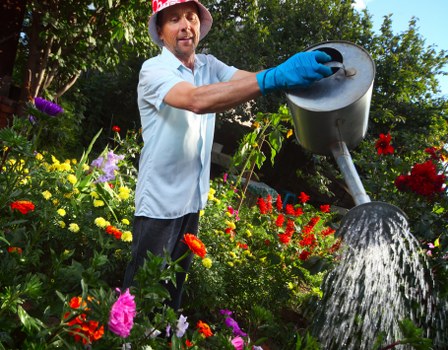
Garden clearance is the right service when the space contains too much growth, loose debris or accumulated outdoor material to be handled as ordinary maintenance. That can involve cutting back dense vegetation, removing unwanted plants, lifting fallen branches, clearing old potting items, and dealing with mixed green waste. The work is usually more labour-intensive than routine upkeep, but the result is a cleaner, safer and more workable garden that can then be maintained more easily.
Clearance is especially useful where access to borders, sheds, paths or lawn edges has been restricted by unchecked growth. We can work through the garden methodically, separating what should stay from what should go and keeping the removal process orderly. A sensible clearance job is not simply about stripping everything back; it is about opening space carefully so the garden can recover its shape. If you need to bring a neglected area back under control, this is often the most practical starting point.
For a clearer quotation, it helps to mention the approximate size of the area and whether the main issue is overgrowth, rubbish-like garden clutter or both. If you are able to explain what should be retained, that also helps avoid unnecessary work. You do not need a perfect plan before contacting us, but a simple description of the problem makes it easier to judge the scale of the job and provide a useful response.
Hedge Trimming and Shaping
Hedge trimming keeps boundary planting, formal shapes and screening plants neat, even and less intrusive. The work may involve trimming the outer growth, reducing uneven edges, restoring symmetry or managing hedges that have started to crowd paths and driveways. Done well, trimming improves the appearance of the whole garden and helps the hedge remain controlled without looking harshly cut back. It can be part of routine maintenance or a separate job when a hedge has grown beyond its normal shape.
Not every hedge needs the same approach. Some respond best to light, frequent cuts; others need more careful reduction to avoid removing too much growth at once. We aim for a finish that suits the plant type and the garden layout rather than forcing everything into the same look. This matters where hedges border sitting areas, paths or neighbouring plots, because a balanced cut can make the space feel more open without exposing it unnecessarily. A quotation request should mention height, length and whether both sides need work.
For customers wanting a practical next step, a good way to proceed is to identify whether the hedge needs shaping, reduction or just tidying. That distinction helps set expectations and keeps the work focused. Clean edges and sensible proportions usually make the greatest visual difference, especially when the hedge forms an obvious feature in the garden. If that is the main issue, ask us to review the trimming as part of your enquiry.
Lawn Mowing and Turf Care
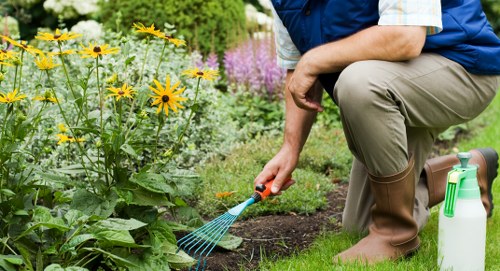
Lawn mowing is one of the simplest ways to keep a garden looking orderly, but it works best when the cut is done to suit the condition of the grass. We can manage routine mowing, edge tidying and the collection of cuttings where needed, helping lawns stay even and presentable. For gardens with thicker or less regularly managed grass, a more careful first cut may be needed before standard maintenance can resume.
Lawn care is not only about cutting the surface. It also depends on avoiding scalping, working around features such as borders and paths, and leaving the area tidy enough that the rest of the garden benefits from the work. If a lawn has uneven patches, heavy edging or long grass at the margins, those details affect the finish. A properly handled mow can make the whole plot seem better maintained, even when the garden contains several other tasks that still need attention.
When asking for a quotation, it helps to mention whether the lawn is regularly maintained, partially overgrown or in need of a first cut after a period of neglect. That simple detail gives a much better sense of the work involved than a general description alone. If the lawn is only one part of a larger garden task, let us know which area matters most so the estimate reflects the main priority rather than a guess.
Landscape Gardening and Outdoor Improvements
Landscape gardening covers more than maintenance because it focuses on changing the structure, layout or planting of the garden. Depending on the brief, that may involve preparing ground, reshaping beds, improving borders, adding planting areas or making the garden easier to care for over time. The value of this work lies in how the space functions as well as how it looks, so practical decisions about access, use and upkeep matter from the start.
This kind of work is often most useful where the current layout no longer suits the way the garden is used. A border may be awkwardly placed, a patch of ground may be underused, or a feature may need to be refreshed rather than simply maintained. We can support projects that are modest in scale as well as those that involve several linked changes. Clear scope is important, because small adjustments and fuller redesigns call for different levels of labour and planning.
If you are considering landscape gardening, think first about the outcome you want: better structure, easier maintenance, improved planting or a more usable outdoor area. That gives a better starting point for a quotation than listing isolated tasks with no overall aim. You can then decide whether the job should be approached as a tidy renovation, a phased improvement or a more comprehensive update.
Planning a Practical Garden Service
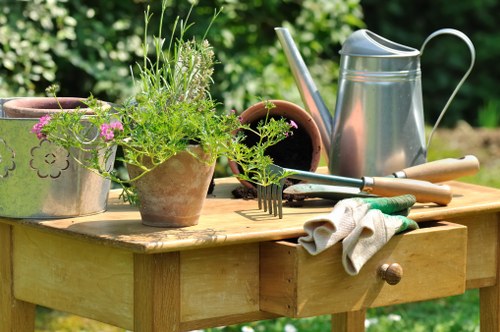
Good planning helps a garden job run smoothly and keeps the quotation relevant to the real work involved. The most useful information is usually simple: which areas need attention, what the main issue is, and whether the space is open, confined or difficult to access. A short description of the garden’s current condition can be enough to show whether the job is maintenance, clearance or a more involved improvement. That is often more valuable than a long message with too many separate points.
It also helps to think about what should happen to the waste and what should remain in place. For example, if there are plants to keep, features to avoid or materials already stacked for removal, those details change how the work is approached. Preparation does not need to be complicated; the aim is simply to make the brief clear enough that the work can be priced sensibly. If you are unsure how much detail to provide, start with the largest task and the most visible problem.
Once the brief is clear, a quotation can be based on the likely labour, access and time needed. That is why a careful description of the garden often matters more than broad claims about how urgent the work feels. For a straightforward next step, send the essential details first and expand only where it helps explain the scope. If you already know the main task, ask for a quotation now.
About Seven Kings
Seven Kings is an area in the London Borough of Redbridge, in east London, and its name is most often associated with the district around Seven Kings station on the Great Eastern Main Line. The station opened in the 19th century as part of the railway growth that helped shape settlement along the corridor between central London and Essex. The wider district has a suburban character built up through layers of railway-era expansion, interwar housing and later infill development, so its streets and local services reflect a long period of gradual change rather than a single planned centre. The area sits close to neighbouring Ilford, Goodmayes and Chadwell Heath, yet it retains its own local identity through the station, shopping parades and residential streets that extend away from the railway line. Along Seven Kings Road and the surrounding routes, the built environment mixes everyday retail frontage with housing typical of outer east London, including terraces, semidetached homes and small pockets of newer development. Green space in and around the district includes parkland and smaller recreational areas, which provide contrast to the denser residential corridors and transport routes. As part of Redbridge, Seven Kings also sits within a borough known for established suburbs, schools, local parks and access to both the central line and mainline rail connections. The area’s history is therefore closely tied to transport, suburban growth and the steady adaptation of the built environment to modern living.
Hedge, Lawn and Boundary Care
This part of the service is useful when the garden needs a tidier, more defined finish rather than a full clearance. Boundary care can include straightening uneven edges, reducing growth that is spilling over paths or fences, and bringing the outer areas of the garden back into line. It often works best when combined with mowing or light pruning, because the whole space then reads as one managed area instead of several unrelated jobs.
Where gardens contain both soft growth and hard edges, the finishing details make a noticeable difference. A lawn with untidy margins or a hedge with ragged corners can make the whole plot feel less cared for, even when the rest of the space is in reasonable order. We aim to handle those edges carefully and leave the garden looking deliberate. If the job includes multiple features, it is usually best to group the related tasks together so the work can be completed efficiently.
You may want to combine boundary care with a wider maintenance visit or a clearance job. That can be a practical choice when the garden has been left for a while, because once the stronger growth is dealt with, the tidying work becomes easier to judge. If that sounds closer to your situation, outline the main features in your enquiry and ask for a quotation that reflects the whole job rather than one isolated task.
Choosing the Right Service Level

Different gardens need different levels of attention, and choosing the right service level saves time on both sides. A lightly maintained garden may only need mowing, trimming and a few finishing touches. A more neglected garden may need clearance first, followed by maintenance once the main obstacles have been removed. Landscape gardening sits a step beyond that because it aims to change or improve the structure rather than only preserve it. Thinking in those terms makes it easier to describe the work honestly and avoid paying for a larger intervention than is necessary.
A sensible quotation is usually based on the type of task, the amount of work visible at the outset and any complications such as access, disposal or awkward edges. It is better to be precise about the main issue than to ask for a vague general refresh. Clear priorities produce clearer estimates, and they also help us decide whether the job is best handled as one visit or as part of a broader plan. If the space includes several problems, list them in order of importance so the response reflects what matters most.
When you are ready, send a short summary and ask for a quotation. If the job is straightforward, that may be enough to move things forward. If the garden needs a mix of mowing, hedge trimming, clearance or structural improvement, saying so at the outset helps create a realistic scope. You can also use the pricing and quotes page for a more focused enquiry when you want to compare the details before proceeding.
Making an Enquiry and Moving Forward
Before asking for a quotation, it helps to note the parts of the garden that are causing the most concern and whether there are any items, plants or features that should be left untouched. A concise message is often enough, especially when it includes the approximate size of the area and the main result you want. For example, a customer might need a tidy-up, a more substantial cutback or an improvement to the overall layout. That small amount of context helps keep the response practical and relevant.
If the garden is awkward to access or contains mixed tasks, mention that as well, because it may affect how the work is approached. You do not need to supply a perfect plan, but it does help to separate what must be done from what would simply be nice to have. That distinction keeps the brief focused and makes it easier to match the work to the space. When the scope is clear, arranging the next step becomes much simpler.
Contact us to request a quotation once you are ready to discuss your garden. If you would prefer to review our range of services first, you can also look at the services overview and then come back with the specific work you need.