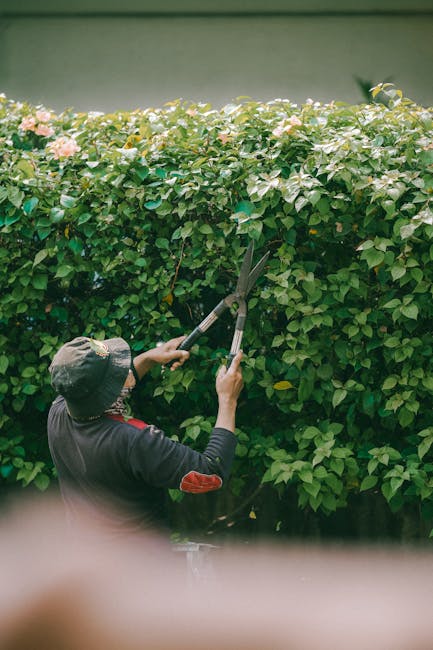
Best gardeners for IG3 Seven Kings terraces and flats price guide

If you live in a terrace or flat in IG3 Seven Kings, finding the right gardener is a bit different from booking garden help for a bigger suburban plot. Space is tighter, access can be awkward, neighbours are close by, and every visit needs to feel efficient rather than disruptive. That is exactly why this Best gardeners for IG3 Seven Kings terraces and flats price guide matters: it helps you understand what good service looks like, what affects cost, and how to compare options without getting lost in vague quotes or one-size-fits-all promises.
In plain English, the best gardeners for local terraces and flats are the ones who can keep a small outdoor space tidy, safe, and usable without overcharging for simple jobs or underquoting and rushing the work. You want someone who understands shared access, narrow side paths, front and rear courtyards, lightweight maintenance, and the realities of London weather. A bit of common sense goes a long way here.
Below, you will find a practical guide to pricing, service types, decision factors, and the questions people in Seven Kings usually should ask before booking. There is no fluff in this one. Just the useful stuff.
Why Best gardeners for IG3 Seven Kings terraces and flats price guide Matters
Terraces and flats often need more regular care than people expect. Small spaces can look untidy fast, especially after a windy week, a burst of rain, or the first warm spell that sends everything into overdrive. A narrow strip of lawn, a few borders, some planters, or a shared rear access area can go from "fine" to "why did I leave this so long?" in no time. The price guide matters because it helps you match the job to the right level of service.
In Seven Kings, people often want two things at once: tidy results and fair pricing. Those two should work together, not against each other. If you only need light mowing and pruning, you should not be paying for a full landscape overhaul. On the other hand, if a terrace garden has been left for months, a bargain quote can become expensive if the gardener has to keep returning because the first visit was too shallow. That's the trap.
Key point: for smaller IG3 gardens, the best value usually comes from clear scoping, regular maintenance, and a gardener who is comfortable with compact urban properties. Not the cheapest line on paper. The clearest one.
It also helps to think about the difference between maintenance and one-off clearance. Maintenance is the steady, repeat care that keeps everything under control. Clearance is the "right, this has got away from us a little" job. Pricing tends to reflect that split quite heavily.
How Best gardeners for IG3 Seven Kings terraces and flats price guide Works
Garden pricing is usually built around a few moving parts: the size of the outdoor space, the amount of work needed, access, waste removal, tools required, and how often the visit happens. For terraces and flats, access is often the quiet cost driver nobody notices at first. If the gardener has to carry waste through a building, use tight side access, or work around a shared entrance, the job can take longer than the square footage suggests.
Most local gardening quotes fall into one of these patterns:
- Hourly pricing: useful for uncertain jobs or mixed tasks where the full scope is not obvious.
- Fixed-price visits: common for clearly defined work such as mowing, hedge trimming, or a tidy-up.
- Regular maintenance plans: often better value if your terrace or flat garden needs recurring care.
- One-off clearance pricing: suitable for overgrown spaces, bulky cuttings, or neglected courtyards.
In practical terms, a modest terrace garden with easy access and routine maintenance may be priced very differently from a first-time visit to an overgrown flat garden with layered weeds, broken planters, and no easy waste route. Same postcode, different story. That's why a decent quote should ask questions before giving a number.
If you are comparing providers, a useful starting point is to review the range of work described on a company's services overview and then narrow it to the tasks you actually need. For example, some gardens need lawn mowing and light edging. Others need hedge trimming, seasonal pruning, or a proper reset using garden clearance.
That kind of match is what keeps pricing honest.
Key Benefits and Practical Advantages
Choosing the right gardener for an IG3 terrace or flat is not only about having a neat garden on Friday afternoon. It affects how often you need work done, how much waste is generated, how much hassle you face, and whether the outdoor space actually becomes usable again. A good gardener should make life easier, not create another thing for you to manage.
- Better cost control: clear quotes reduce surprise add-ons and repeated callouts.
- More efficient visits: the right gardener plans for small-space logistics and finishes faster.
- Less neighbour friction: quiet, tidy work matters in terraces and flats, especially where access is shared.
- Improved garden health: regular care prevents weeds, poor drainage issues, and overgrown growth patterns.
- Safer outdoor areas: cut back trip hazards, unstable branches, and slippery build-up before they become a problem.
- Better use of limited space: in smaller gardens, every square metre counts.
There is also a subtle benefit people often miss: a reliable gardener helps you make decisions. Should you keep the shrub? Is the lawn worth maintaining, or would low-maintenance planting be better? Is the area crying out for landscape gardening rather than just another quick tidy? Those decisions become easier when someone actually knows what they are looking at.
Truth be told, many terraces and flats do not need grand design work. They need sensible, repeatable care. That can be surprisingly satisfying. You step outside, and instead of facing a chore, you get a calm little space with room to breathe. Nice, isn't it?
Who This Is For and When It Makes Sense
This guide is for homeowners, tenants, landlords, and property managers in IG3 Seven Kings who are trying to work out how to choose a gardener for a terrace, courtyard, balcony-adjacent garden, or ground-floor flat garden. If your space is compact, shared, or awkwardly accessed, it makes even more sense.
It is especially useful if:
- you have a small front or rear garden that needs regular upkeep;
- you live in a terrace and need help with hedges, weeds, or seasonal tidy-ups;
- you manage a rental and want the outside space to stay presentable;
- you have a flat with a communal or semi-private outdoor area;
- you are comparing prices for a first visit after a long gap;
- you want to bundle jobs together instead of booking separate visits.
It may not make sense to book full-service landscaping if all you need is a quick reset. Likewise, it may be false economy to keep paying for tiny one-off tasks if the space really needs an ongoing plan. A lot depends on how often the garden grows, how much you use it, and how much time you realistically want to spend on it yourself. Let's face it, not everyone wants to spend Saturday morning pulling ivy out of a crack in the paving. Fair enough.
For broader support, it can help to compare routine care with a wider maintenance approach through garden maintenance. If your garden also needs structure updates, hard landscaping, or more substantial changes, it is worth reviewing landscaping as well.
Step-by-Step Guidance
If you want the best value from a gardener in Seven Kings, do not start by asking only "How much?" Start by defining the job. That alone can save a fair bit of money and confusion.
- List what actually needs doing. Separate mowing, weeding, pruning, clearance, hedge work, and waste removal. Mixing them together without detail makes quotes fuzzy.
- Measure the space roughly. You do not need architectural precision. A simple sense of size and layout is enough to help a gardener price fairly.
- Note the access points. Is there a side gate? Are stairs involved? Is the work area visible from a shared entrance? These practical details affect time.
- Decide whether this is a one-off or ongoing job. Regular visits often price better than sporadic rescue missions.
- Ask what is included. Does the quote cover cuttings removal, sweeping, and bagging? Or is waste extra?
- Compare like with like. A cheaper quote may exclude the very things you need. That makes it look good until the invoice arrives.
- Check whether the gardener can handle the full scope safely. For higher shrubs or tree work, a suitable service such as tree lopping and removal may be more appropriate than a basic tidy-up.
- Book the right frequency. A monthly or fortnightly plan can keep a terrace manageable without letting it run wild.
There is a simple rhythm to it. Scope first, price second, schedule third. If you reverse that order, you often end up buying the wrong solution.
A practical tip: when a space is heavily cluttered, a gardener may suggest starting with a reset visit, then moving to maintenance. That is often the most efficient route. The first visit clears the slate; later visits keep it from creeping back. Small difference, big impact.
Expert Tips for Better Results
In our experience, the best garden jobs in compact London homes start with clarity and end with routine. The middle is where most of the value lives.
- Choose the right seasonal timing. Spring and early summer can be busy, so booking a little ahead helps.
- Prioritise access-friendly scheduling. If bins, bikes, or shared entrances get in the way, mention it early. Nobody likes awkward surprises with a wheelbarrow halfway through the job.
- Use maintenance to protect your budget. Smaller, regular visits are often easier to manage financially than large occasional clear-ups.
- Ask for task breakdowns. This makes it much easier to understand where the money goes.
- Think in layers. First the clearance, then the shaping, then the ongoing care. Trying to do everything at once can look efficient, but sometimes it just muddies the quote.
- Match the service to the garden's character. A courtyard with pots needs a different approach than a narrow lawn or a hedged boundary.
If you want stronger long-term results, consider whether your outdoor space needs a mix of specialist work. A terrace might need mowing in one season, hedge shaping in another, and occasional clearance after a storm. That is why it helps to work with a provider that can cover multiple tasks, rather than patching together several disconnected visits.
And one more thing: good gardeners usually communicate well. They arrive, they explain, they tidy up after themselves. Sounds basic, I know. But basic done well is a very underrated thing.
Common Mistakes to Avoid
People often make the same few mistakes when booking garden help for terraces and flats. None of them are dramatic on their own, but together they can create frustration and unnecessary cost.
- Choosing only by headline price. The lowest quote is not always the best value if waste removal or essential tasks are missing.
- Not explaining access issues. Narrow side passages, shared entrances, and parked cars can all change the job.
- Mixing up clearance and maintenance. A neglected garden often needs a heavier first visit than a regular tidy-up.
- Expecting hard landscaping results from a soft landscaping budget. If you want structural change, that is a different type of job.
- Forgetting the waste factor. Cuttings, branches, and debris all have to go somewhere.
- Waiting until the problem becomes urgent. Overgrown spaces are more expensive and more annoying. Usually both.
One of the easiest mistakes to avoid is the silent assumption that a "small garden" must be a "small job." Sometimes yes. Sometimes not at all. A compact flat garden with heavy weeds, dead shrubs, and awkward access can take longer than a larger but easier space.
If the garden is badly overgrown, it is often better to ask about a structured reset first, then move into a regular schedule. That is where garden clearance can make more sense than repeated light tidy-ups that never quite catch up.
Tools, Resources and Recommendations
You do not need a shed full of specialist gear to make a garden manageable, but a few sensible tools and service choices help a lot. For most terraces and flats, the winning formula is simple: regular visits, clear communication, and the right scope of work.
| Garden need | Best service style | Typical pricing logic | Best for |
|---|---|---|---|
| Routine tidy-up | Maintenance visit | Often fixed or recurring | Small terraces, neat flat gardens |
| Overgrown space | Clearance first, then maintenance | Usually more labour-heavy | Neglected courtyards and back gardens |
| Lawn care | Regular mowing | Often per visit or at a set interval | Compact lawns and shared green edges |
| Hedges and boundaries | Seasonal trimming | Depends on height, density, and access | Terrace fronts and perimeter growth |
| Design changes | Landscape or landscaping work | Quoted as a project | Spaces that need a new layout or structure |
For many local homes, the most useful pages to review are the practical ones: lawn mowing, hedge trimming, garden maintenance, and where needed, garden clearance. Those pages help you think in terms of actual work rather than broad labels.
For trust and practical reassurance, it is also sensible to read about insurance and safety and the company's approach to payment and security. Not because every job is high risk, but because careful handling matters when someone is working around your home, access points, and possibly shared areas.
Law, Compliance, Standards, or Best Practice
For garden work in terraces and flats, the main thing is not to overcomplicate the legal side, but to respect the basics. Gardeners working on private property should use sensible safety practices, appropriate equipment, and responsible waste handling. If a job involves ladders, tall hedges, branches, or tight access routes, a careful approach is not optional. It is just good practice.
If you are a landlord or property manager, you may also want to think about duty of care. That usually means keeping outdoor areas reasonably safe and presentable, especially where tenants, visitors, or neighbours may use them. For shared spaces, communication matters too. Nobody enjoys turning up to find a hedge crew blocking the only route to the bins. Been there, seen that, not fun.
A trustworthy gardener should be able to explain how they manage waste, reduce disruption, and work safely around access constraints. You can also look for clear business policies, such as a published health and safety policy, a clear complaints procedure, and transparent terms and conditions. Those are not just formalities. They are signs that the business takes the work seriously.
If sustainability matters to you, it is worth asking about green waste handling and responsible disposal. The page on recycling and sustainability can help you understand how a provider thinks about waste and environmental responsibility. Small jobs generate small amounts of waste, but over time it adds up. Quietly, steadily, it adds up.
Options, Methods, and Price Comparison
Different garden situations call for different service models. Here is a straightforward comparison to help you decide what usually fits best.
| Option | Best for | Pros | Watch-outs |
|---|---|---|---|
| One-off tidy-up | Small jobs needing a reset | Simple, fast, flexible | Can be poor value if repeated too often |
| Regular maintenance | Gardens that grow quickly or need presentation | Predictable, neat, often better long-term value | Requires commitment and scheduling |
| Clearance then maintenance | Overgrown or neglected spaces | Most practical for heavy jobs | Higher first visit cost |
| Project landscaping | Spaces needing layout changes | Transforms the garden, adds structure | More planning, more budget, more time |
For a lot of IG3 terraces and flats, the sweet spot is regular maintenance with occasional extra work. A little mowing here, a hedge trim there, and a seasonal clearance when things get away from you. That approach is often more economical than starting from scratch every time.
If you are looking at a space that has poor layout or just feels awkward, then landscape gardening may be the better route. If the issue is mainly presentation and containment, basic maintenance will probably do the job. The trick is knowing the difference. That sounds obvious, but it is where many people go wrong.
Case Study or Real-World Example
Take a typical Seven Kings terrace: a modest rear garden with a small lawn, a hedge along one side, a few tired planters, and a narrow access route through the house or side passage. It has not been touched properly for a while because life got busy. Work, school runs, weather, all of it. By the time someone calls a gardener, weeds have settled in, the hedge has grown broad rather than neat, and the lawn is patchy.
A sensible first visit would usually start with clearance of obvious waste, a tidy cut of the lawn, hedge trimming, edging, and a sweep-through of the hard surfaces. If branches or dense overgrowth are present, the gardener might suggest a more targeted service before regular maintenance begins. The point is not to throw everything into one giant visit. It is to sequence the work so the garden becomes manageable again.
After that, a repeat schedule every few weeks or monthly may keep the space under control. The second visit is usually easier. The third is easier still. And suddenly the garden is not a problem anymore. It is just there, ready to use on a mild evening with a cup of tea and a slightly crooked chair. Simple, but very welcome.
For the homeowner, the real gain is not just a cleaner garden. It is a lower-stress routine and a price structure that makes sense. That is the real value of getting the scope right from the start.
Practical Checklist
Use this before you request a quote or book a visit. It keeps things clear and avoids the usual back-and-forth.
- Know whether you need a one-off job or ongoing care.
- List the tasks: mowing, weeding, hedge trimming, pruning, clearance, waste removal.
- Describe access clearly, including gates, steps, shared entrances, and parking limits.
- Ask what the quote includes and what counts as extra.
- Check whether the gardener can handle both routine and heavier work.
- Look for clear information about safety, insurance, payment, and complaints handling.
- Compare the quote against the actual work, not just the headline number.
- Decide how often the garden needs care to stay manageable.
- Ask about waste removal if the job is likely to create a lot of cuttings.
- Confirm the expected timing and how long the visit should take.
Expert summary: The best gardener for an IG3 terrace or flat is usually the one who can explain the job clearly, price it transparently, and work efficiently in tight urban conditions. If they do that well, everything else tends to follow.
For people who want a sensible starting point, it can be worth reading the company's pricing and quotes information alongside the service pages. That combination usually makes the next step much easier.
Conclusion
Choosing the best gardeners for IG3 Seven Kings terraces and flats is less about chasing the cheapest number and more about understanding what your space really needs. Small urban gardens often demand a sharper eye, better access planning, and a realistic maintenance schedule. When those things line up, prices make more sense and the garden stays in better shape for longer.
The good news is that you do not need to be an expert to make a smart choice. Define the job, compare like with like, and look for providers who are clear about safety, maintenance, waste handling, and pricing. That is the kind of practical approach that works in real life, not just on a quote sheet.
If you are ready to get your terrace or flat garden under control, choose a service that fits the size, access, and pace of your property. Little improvements add up. A tidy edge here, a trimmed hedge there, and suddenly the whole place feels calmer. Quite a bit calmer, actually.
Get a free quote today and see how much you can save.
Frequently Asked Questions
How much do gardeners usually charge for terraces and flats in IG3 Seven Kings?
Pricing depends on the size of the space, access, the amount of work, and whether waste removal is included. A routine maintenance visit is usually priced differently from a first-time clearance or a more involved garden reset.
Is regular garden maintenance better value than one-off visits?
For many terraces and flat gardens, yes. Regular visits often keep growth under control, reduce heavy labour later, and make costs more predictable. A one-off visit can still be the right answer if the space only needs occasional help.
What should be included in a gardener's quote?
A useful quote should state the tasks covered, whether waste removal is included, and whether there are any access-related limits. The clearer the quote, the easier it is to compare fairly.
Do small gardens cost less to maintain?
Not always. Smaller spaces may take less time, but difficult access, dense overgrowth, or repeated clear-up work can still make the job more involved. Small does not automatically mean simple.
When should I choose garden clearance instead of maintenance?
If the garden is overgrown, cluttered, or full of accumulated debris, clearance is usually the better starting point. After that, maintenance can keep it manageable.
Can a gardener help with hedges and shrubs on a terrace?
Yes, and that is often one of the most useful services for compact homes. A neat hedge can change the whole feel of a front or rear garden, especially where space is limited.
What if my flat garden has awkward access?
Tell the gardener in advance. Side gates, stairs, shared entries, or limited parking can affect timing and cost. Honest access details lead to better quotes and fewer surprises on the day.
Are landscaping services worth it for small gardens?
If the space needs better structure, improved layout, or a more usable design, then yes, landscaping can be worth it. If the main issue is just overgrowth, regular maintenance may be enough.
How do I avoid paying too much for garden work?
Be specific about the tasks, compare quotes on the same basis, and ask what is included. The biggest savings usually come from clarity, not bargaining alone.
Should I ask about safety and insurance before booking?
Definitely. A professional gardener should be able to explain their safety approach and relevant business policies clearly. It is a simple but important trust signal.
What type of gardener is best for a small London terrace?
Look for someone who is comfortable with compact spaces, routine maintenance, hedge work, lawn care, and tidy waste handling. Experience with urban gardens matters more than flashy promises.
How often should a terrace or flat garden be maintained?
That depends on the planting, season, and how much use the space gets. Some gardens need fortnightly or monthly attention, while others do fine with occasional seasonal visits.
Where can I see the services offered before I decide?
A good place to start is the services overview, then move into the individual pages that match your actual needs. It keeps the decision practical rather than guesswork-based.