Driveway access problems for gardeners in Seven Kings estates: practical fixes, planning tips, and what to expect
Driveway access problems for gardeners in Seven Kings estates can turn a simple visit into a surprisingly fiddly job. A mower that should roll straight in ends up waiting on the road. A trailer blocks a neighbour's turning space. A hedge trim that ought to be straightforward becomes a careful dance around parked cars, bins, gates, and narrow fronts. If that sounds familiar, you are not alone.
In Seven Kings, estate layouts can vary quite a bit. Some properties offer generous forecourts, while others have tight driveways, shared access strips, awkward corners, or restrictions that make loading equipment much harder than the gardening itself. This article breaks down what the problem really is, why it matters, how professionals work around it, and what good planning looks like in the real world. It's practical, local, and grounded in the sort of details that save time and stress.
If you want a broader view of the services that typically need access planning, you can also look at the services overview and the page on garden maintenance. Those pages sit well alongside this topic because access issues affect routine work more often than people expect.
Table of Contents
- Why Driveway access problems for gardeners in Seven Kings estates Matters
- How Driveway access problems for gardeners in Seven Kings estates Works
- Key Benefits and Practical Advantages
- Who This Is For and When It Makes Sense
- Step-by-Step Guidance
- Expert Tips for Better Results
- Common Mistakes to Avoid
- Tools, Resources and Recommendations
- Law, Compliance, Standards, or Best Practice
- Options, Methods, or Comparison Table
- Case Study or Real-World Example
- Practical Checklist
- Conclusion
- Frequently Asked Questions
Why Driveway access problems for gardeners in Seven Kings estates Matters
Access is not just a convenience issue. It affects timing, labour, safety, price, and even the quality of the finished job. If a gardener cannot bring tools close to the work area, every task takes longer. You may need more carrying, more lifting, more trips back and forth, and more time spent navigating around cars, walls, fences, and tight passageways. Let's face it, that gets old very quickly.
In Seven Kings estates, the challenge is often a mix of driveway width, shared parking, compact front gardens, and limited turning space. A seemingly small obstruction can create a domino effect. A lawn cut becomes slower. A clearance job becomes messy. A hedge trim becomes a two-person job when one person needs to manage access and the other needs to handle the cutting.
It also matters because gardens are living spaces, not just work sites. Rushing equipment through tight access can damage paving, snag planting, scrape render, or leave tyre marks. If the driveway is the only practical route, every movement needs a bit more care. That is especially true when soil, clippings, logs, or mulch are being moved in and out. One bad angle and, well, you know what happens.
There is also a customer-experience angle. If a gardener arrives and access has not been planned, the job can feel disorganised before it starts. Good access planning makes the whole appointment calmer. Fewer delays. Less guesswork. Better communication. It sounds simple, but the difference is noticeable on a damp Tuesday morning when the light is poor and the drive is already half full of bins.
Expert summary: access problems are rarely just "parking issues"; they are job-planning issues, safety issues, and time-management issues rolled into one. The better the access plan, the smoother the garden work.
How Driveway access problems for gardeners in Seven Kings estates Works
Most driveway access problems fall into a few practical categories. Some are physical, like narrow entrances, low gates, steep slopes, or tight turns. Some are operational, like vehicles parked on the drive, shared access with neighbours, or no clear place to unload. Others are environmental, such as wet surfaces, poor lighting, overgrown edges, or slippery moss on paving. In Seven Kings estates, it is often a blend rather than one single problem.
Gardening teams usually start by identifying the route from the vehicle to the work area. That route needs enough width for carrying tools and enough stability for wheeled equipment. If a mower, chipper, or barrow cannot pass smoothly, the whole workflow changes. Sometimes the team can split the load into smaller items. Sometimes they need to park differently. Sometimes they need to work from the garden side rather than the driveway side. Small adjustment, big difference.
Here is the simple version: access planning works by reducing friction. The fewer times someone has to stop, backtrack, or carry heavy loads in awkward positions, the safer and more efficient the job becomes. That is why many gardeners will ask for photos, a quick description, or a brief look at the entrance before confirming what is realistic.
There can also be a sequencing issue. For example, a team might need to remove clippings before moving a mower, then return for bags or branches after the main cut. On a cramped estate drive, the order of operations really matters. If it rains halfway through, the whole plan may need a rethink. British weather, as ever, likes to keep everyone humble.
When access is poor, professionals often adapt in one or more of these ways:
- bringing fewer large tools and more compact equipment
- parking farther away and using barrows or carry bags
- splitting the job into stages
- using protective mats or careful wheel routes
- removing waste in smaller, safer loads
- arranging a second operative for lifting or traffic control
The point is not to make things complicated. The point is to make them workable.
Key Benefits and Practical Advantages
Good driveway access planning has a direct effect on the outcome of the job. It sounds obvious, but it is easy to underestimate until you've seen a crew trying to get a hedge trimmer, bags of waste, and a mower through a narrow side gap with a car half-parked across the route.
Smoother work and less wasted time
When access is clear, gardeners spend more time on actual gardening and less time manoeuvring gear. That usually means a cleaner schedule, a more predictable visit, and fewer interruptions. It also helps with repeat visits, because the team learns the site and can prepare properly next time.
Lower risk of damage
Paving, gates, low walls, flowerbeds, and parked vehicles are all vulnerable in tight spaces. A well-planned route reduces the risk of accidental scuffs or crushed edges. It also protects the tools themselves, which matters more than people think. Damaged equipment slows everyone down.
Better pricing clarity
Access constraints can affect how long a job takes. If the team knows that in advance, estimates are more accurate. That does not automatically mean a job is expensive; it means the quote is based on reality rather than a hopeful guess. For customers, that is usually a relief.
Safer lifting and carrying
Short, manageable routes are better for the body. Heavy bags of waste or awkward hedge trimmings become a problem when they have to be carried a long way over uneven paving. Good access planning reduces strain and helps the work stay controlled.
Better finish quality
When the approach is calmer, the gardening itself tends to be better. Edges are tidier, waste is removed properly, and the team is less rushed. A clear drive often leads to a cleaner looking garden at the end. Simple truth.
Who This Is For and When It Makes Sense
This topic matters if you live on an estate in Seven Kings and your driveway is tight, shared, sloped, or otherwise awkward. It also matters if the garden work is being done regularly rather than as a one-off. Maintenance jobs are especially sensitive to access because they are repeated often. A minor inconvenience becomes a pattern very quickly.
You may need to think about driveway access if any of the following apply:
- your driveway is narrow and leaves little room to pass equipment
- you share access with another property
- cars are usually parked across the route
- the front garden is separated by a low wall or step
- there is no safe unloading area close to the work
- your hedge, tree, or border work creates a lot of waste
- the surface is uneven, damp, or prone to slipping
This is also relevant if you are arranging specialist work such as clearance, tree pruning, or landscaping. Heavier jobs place more pressure on access points, especially when larger materials need to move in and out. A bit of shrub trimming is one thing; a full garden clearance is another altogether.
Homeowners are not the only ones who need to care. Landlords, managing agents, and residents' associations may want a clear process so that maintenance can happen without arguments about parking or blocked drives. Nobody enjoys that awkward "whose car is this?" conversation at 8.30 in the morning.
If you are weighing up a larger project, the page on landscaping can be useful as a wider planning reference, while garden clearance helps if the issue is not just access but also the amount of material moving through the route.
Step-by-Step Guidance
If you want a practical way to deal with driveway access problems, use a simple, repeatable process. No drama. Just a clear check from front gate to final waste load.
- Measure the access route. Not only the driveway width, but also the gate opening, turning space, steps, slopes, and any bottlenecks.
- Identify what needs to pass through. A hand tool is easy. A mower, hedge trimmer, wheelbarrow, leaf waste, or timber is another story.
- Check parking and shared-use patterns. If the route is usually blocked by vehicles, plan around that before the visit rather than on the day.
- Look for fragile surfaces or obstacles. Loose slabs, muddy strips, low taps, lighting fittings, bins, and plant pots all matter more than they seem.
- Decide the loading point. The best place for unloading is not always the nearest place. Sometimes a wider, safer approach is better.
- Confirm the waste route. Waste removal should be smooth and tidy. If clippings have to cross a clean driveway, plan protection or a second route.
- Build the job around the access, not against it. That might mean changing the order of tasks, using smaller loads, or scheduling more time.
- Review after the first visit. If something was awkward, adjust it for next time. Good access planning improves fast when someone actually pays attention to the site.
Here is a useful little rule: if you would be annoyed carrying a bag through the route yourself, a gardener will probably be annoyed too. Not impossible, just worth planning properly.
Expert Tips for Better Results
After enough jobs on tight estate drives, a few patterns become very clear. The best results usually come from small, unglamorous decisions made before the gardener arrives.
Send photos from more than one angle
A front-on photo rarely tells the whole story. A side view, the gate, the path to the rear, and the parking situation all help. If the driveway slopes or bends, that is worth showing too. One photo can hide a lot.
Keep the route clear for the arrival window
Even 20 minutes of clear access can make a noticeable difference. If you know the gardener is coming, moving a car or wheelie bin beforehand can save a surprising amount of time.
Use temporary protection where needed
On sensitive paving or decorative finishes, light protection can help prevent scuffs and marks. It does not need to be elaborate. A careful route and a little forethought often do more than any fancy system.
Group tasks together intelligently
If the gardener is already on site, it can make sense to combine mowing, edging, and light clearance rather than splitting them into separate visits. That reduces repeated access disruption. It also reduces the chance of one job blocking another.
Allow a margin for weather and waste volume
Wet clippings, soggy bags, and heavy branches change the whole handling picture. A job that is fine in dry weather can become awkward after rain. If it looks like a grey, drizzly afternoon, plan accordingly. You know the sort.
Keep communication plain and specific
Instead of saying "the access is a bit tricky," explain what is tricky. Is it the width? The slope? The parking? The gate? The more concrete the description, the better the plan.
If you want a provider perspective, you can read a little more about the company approach on the about us page and the practical reassurance on insurance and safety. Those pages are useful when trust and site handling matter as much as the work itself.
Common Mistakes to Avoid
Most access problems are manageable. The bigger issues usually come from assumptions. That is where people trip themselves up, honestly.
- Assuming a driveway is wide enough because a car fits. A vehicle fitting does not mean a gardener with tools, waste bags, and a trolley will fit comfortably.
- Leaving parking arrangements until the day of the job. This is one of the fastest ways to slow everything down.
- Forgetting about waste removal. Even if the gardening task itself is small, the waste still has to move out somehow.
- Underestimating slopes and surface condition. Wet paving can turn a simple route into a cautious shuffle.
- Not mentioning shared access. If neighbours use the same route, that changes the logistics entirely.
- Booking the wrong scale of service. A quick maintenance visit and a full clearance are not the same thing, especially where access is tight.
- Expecting heavy kit to behave like a shopping bag. It won't. Equipment is awkward when the space is awkward.
A lot of frustration disappears when people tell the full story upfront. Not every tiny detail, just the practical stuff that changes how the job gets done.
Tools, Resources and Recommendations
For customers and gardeners alike, a few simple tools and habits make access management much easier. Nothing too fancy. In fact, the best tools are often the boring ones.
- Photos taken in daylight so the route, gate, and parking space are easy to judge
- A tape measure for gate openings, drive width, and the narrowest part of the route
- Brief notes about parking restrictions, neighbour access, or awkward surfaces
- Lightweight transport options such as carry bags or compact barrows where suitable
- Protective route planning for clean paving, decks, or decorative edging
- A waste staging point so cuttings do not pile up in the middle of the access way
It can also help to think about the type of garden work being booked. For example, mowing and routine tidying may be easy to split into small loads, while hedge trimming or tree work may create more material than expected. For those tasks, pages like lawn mowing, hedge trimming, and tree lopping and removal are useful because access planning changes with the type of work.
If the access issue is tied to ongoing upkeep rather than one-off work, a scheduled approach through garden maintenance is usually calmer than waiting for the garden to become overgrown and then trying to solve everything at once. To be fair, that is true in most things in life, not just gardening.
Law, Compliance, Standards, or Best Practice
Access problems can touch on safety and responsibility, so it is worth handling them with normal UK good practice. This is not about overcomplicating a routine garden visit. It is about making sure people, property, and equipment are managed sensibly.
In practical terms, a responsible gardening service should consider:
- safe movement of tools and waste
- reasonable care around vehicles, walls, and paving
- clear communication where access is shared or restricted
- appropriate insurance and safe working practices
- method changes when conditions make the usual approach risky
If a driveway is public-facing or partly shared, it is also sensible to avoid obstructing others for longer than necessary. The exact rules can vary depending on the site and local circumstances, so the safest approach is to plan conservatively and keep the work tidy.
For service users, it helps to look for companies that treat access issues as part of the job specification rather than as a surprise on arrival. You can review practical policy pages such as health and safety policy, insurance and safety, and accessibility statement to understand the kind of standards a careful business should think about.
There is no need to turn a garden visit into a legal seminar. But a little attention to access, risk, and responsibility goes a long way.
Options, Methods, or Comparison Table
Different access problems call for different solutions. Here is a simple comparison to help you see what tends to work best.
| Access situation | Best approach | Why it works |
|---|---|---|
| Narrow single driveway | Use compact tools, smaller loads, and clear parking plans | Reduces turning pressure and keeps the route usable |
| Shared estate access | Confirm timing with neighbours and keep the route clear | Prevents blockages and avoids friction with other users |
| Sloped or slippery drive | Slow movement, safe footing, and fewer heavy trips | Lowers accident risk and protects surfaces |
| Full garden clearance | Stage waste removal in smaller batches | Stops the access path becoming cluttered |
| Routine maintenance | Schedule repeat visits and keep routes consistent | Builds a familiar, efficient pattern over time |
The right method depends on the job size and the site. A small hedge trim might need only a short route and one waste run. A full redesign is a different matter entirely. If you are planning structural changes or major reshaping, landscape gardening and decking services may be relevant because access and build sequencing become part of the design process, not just the maintenance phase.
Case Study or Real-World Example
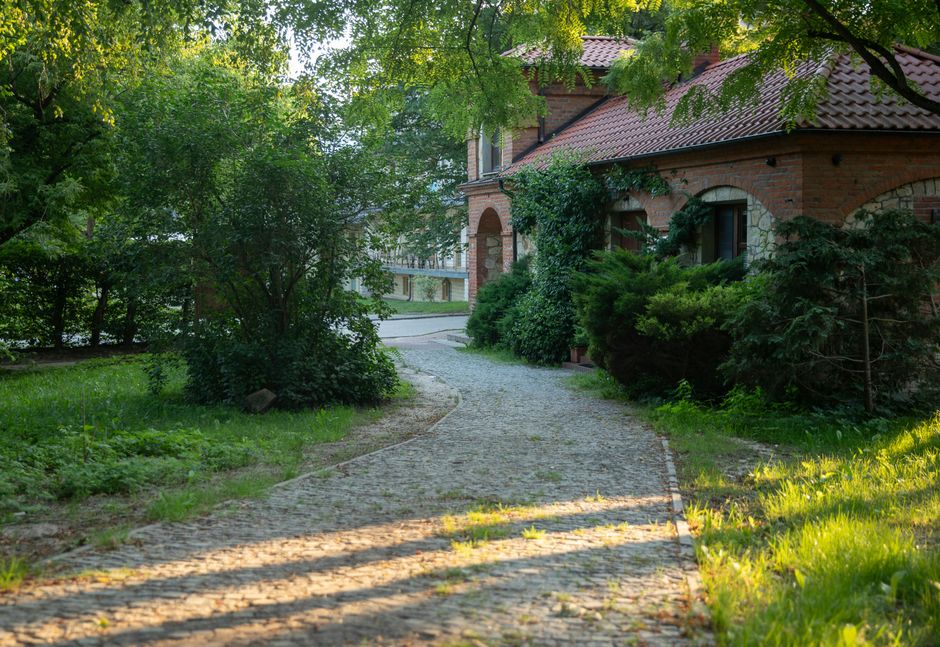
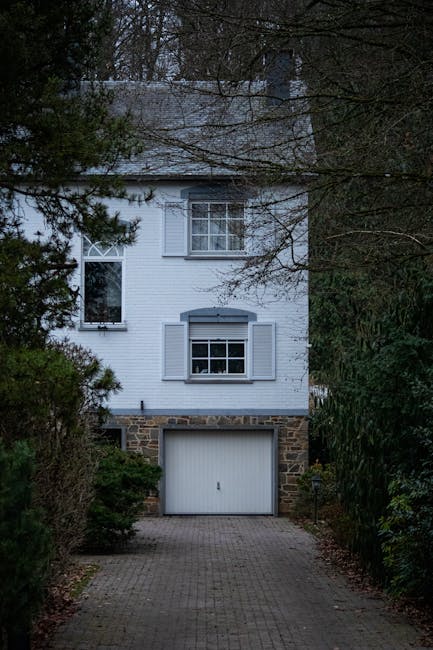
Picture a typical Seven Kings estate driveway: one car parked half on the drive, a narrow path to the side gate, and a front garden that looks modest from the street but becomes oddly tight once you start moving bags, trimmers, and a mower. Nothing dramatic. Just enough awkwardness to make the job longer than expected.
In a case like that, the gardener might arrive, confirm the best unloading side, and decide not to push the mower across the narrowest point at all. Instead, smaller tools are carried first, the route is kept clear, and waste is stacked in a safer staging area before removal. The result is slower than a wide-open drive, but still efficient enough to finish properly.
What usually makes the difference is not strength or speed. It is sequence. If the team clears the route before bringing in larger equipment, the job stays calm. If they try to work through clutter, it becomes a stop-start mess. One small decision early on can save a lot of back-and-forth later. Simple, but very real.
That kind of site also shows why photos matter. A client may look at the driveway and think, "That should be fine." The gardener may spot the turn radius, the parked car, and the low wall and think, "We need a plan." Both views are understandable. The good answer sits in the middle.
Practical Checklist
Use this checklist before any gardening visit where driveway access could be tight.
- Have I measured the narrowest part of the drive or gate?
- Is there a clear place to unload equipment?
- Will a parked car block the route?
- Are neighbours sharing the access space?
- Is the surface dry, level, and safe enough for wheeled movement?
- Do I know how waste will be taken out?
- Are there steps, slopes, or low obstacles?
- Have I mentioned anything fragile, valuable, or easily damaged?
- Does the job involve heavy clippings, branches, or bulky waste?
- Do I need to ask for a more compact or staged approach?
If you can answer those questions cleanly, the job usually starts on the right foot. If not, a quick rethink is better than a rushed arrival and a messy first 10 minutes.
For broader planning and practical service comparisons, it can help to review pricing and quotes so you understand how site conditions may affect the estimate, and recycling and sustainability if waste handling is likely to be a significant part of the visit.
Conclusion
Driveway access problems for gardeners in Seven Kings estates are not a side issue. They shape the whole job, from timing and safety to cost and finish quality. The good news is that most access problems are manageable when they are identified early and handled with a bit of practical thinking.
Clear measurements, honest communication, sensible parking, and the right equipment strategy can make even a tight estate driveway workable. And once the access side is sorted, the garden work itself becomes much more straightforward. That is usually what people want, after all: less hassle, fewer surprises, and a neat result that feels worth the effort.
If you are planning garden work and you already know access may be tricky, get the details ready before the visit. A few photos, a couple of measurements, and a plain description can save a lot of backtracking later. Small thing, big payoff.
Get a free quote today and see how much you can save.
Frequently Asked Questions
What counts as a driveway access problem for garden work?
Anything that makes it difficult to bring tools, equipment, or waste in and out safely counts as an access problem. That can include narrow gates, parked cars, shared driveways, slopes, steps, or awkward turning space.
Do gardeners need photos of the driveway before quoting?
Photos are often very helpful, especially if the driveway is tight or shared. They let the gardener judge the route, the likely carrying distance, and whether compact equipment or extra time may be needed.
Can a gardener still work if the driveway is blocked by a car?
Sometimes yes, but it depends on the job and the available alternative route. If the car blocks the main access, the visit may take longer or need to be rescheduled. It is always better to mention this in advance.
How do access problems affect pricing?
They can affect pricing if they add labour time, require more handling, or make waste removal more difficult. A careful quote should reflect the actual conditions rather than a standard easy-access visit.
Is a shared estate driveway a problem for regular maintenance?
Not always, but it needs planning. Shared access usually means timing, parking, and neighbour awareness all matter more. Once the routine is established, it can work quite smoothly.
What if the driveway surface is slippery or uneven?
That should be flagged before the job. Slippery or uneven surfaces can create safety risks for both movement and lifting. The team may need to change the route or slow the handling process.
Does access matter more for clearance jobs than for mowing?
Usually yes. Clearance jobs produce more waste and involve heavier lifting, so access becomes more important. Mowing is often simpler, but even that can be affected if the mower or waste bags are hard to move.
Should I move my car before the gardener arrives?
If the driveway is part of the working route, yes, that is often a big help. Moving the car ahead of time can save a lot of interruptions and reduce the risk of a rushed setup.
What is the best way to describe access problems in a message?
Be specific. Mention the width, whether it is shared, if there is a slope, and whether parking is likely to block the route. A short, practical description works better than saying it is "a bit awkward".
Can access issues affect the quality of the final garden result?
Absolutely. When access is poor, there is more stop-start movement and more chance of fatigue or delay. Good access planning helps the team spend more time on the actual gardening and less on logistics.
Do access problems matter for landscaping and decking projects too?
Yes, very much. Larger projects often involve heavier materials and more frequent movement in and out of the site. Planning access early is one of the easiest ways to keep those jobs under control.
What should I do if I am not sure whether my driveway is suitable?
Measure the narrow points, take a few photos, and ask for a practical assessment before booking. That is the safest and least stressful route. A little checking now can save a lot of bother on the day.
If you want to understand the people behind the service before arranging work, the about us page and contact us page are the best places to start.